Plastic Surgery Hair Restoration

What is LaserCap?

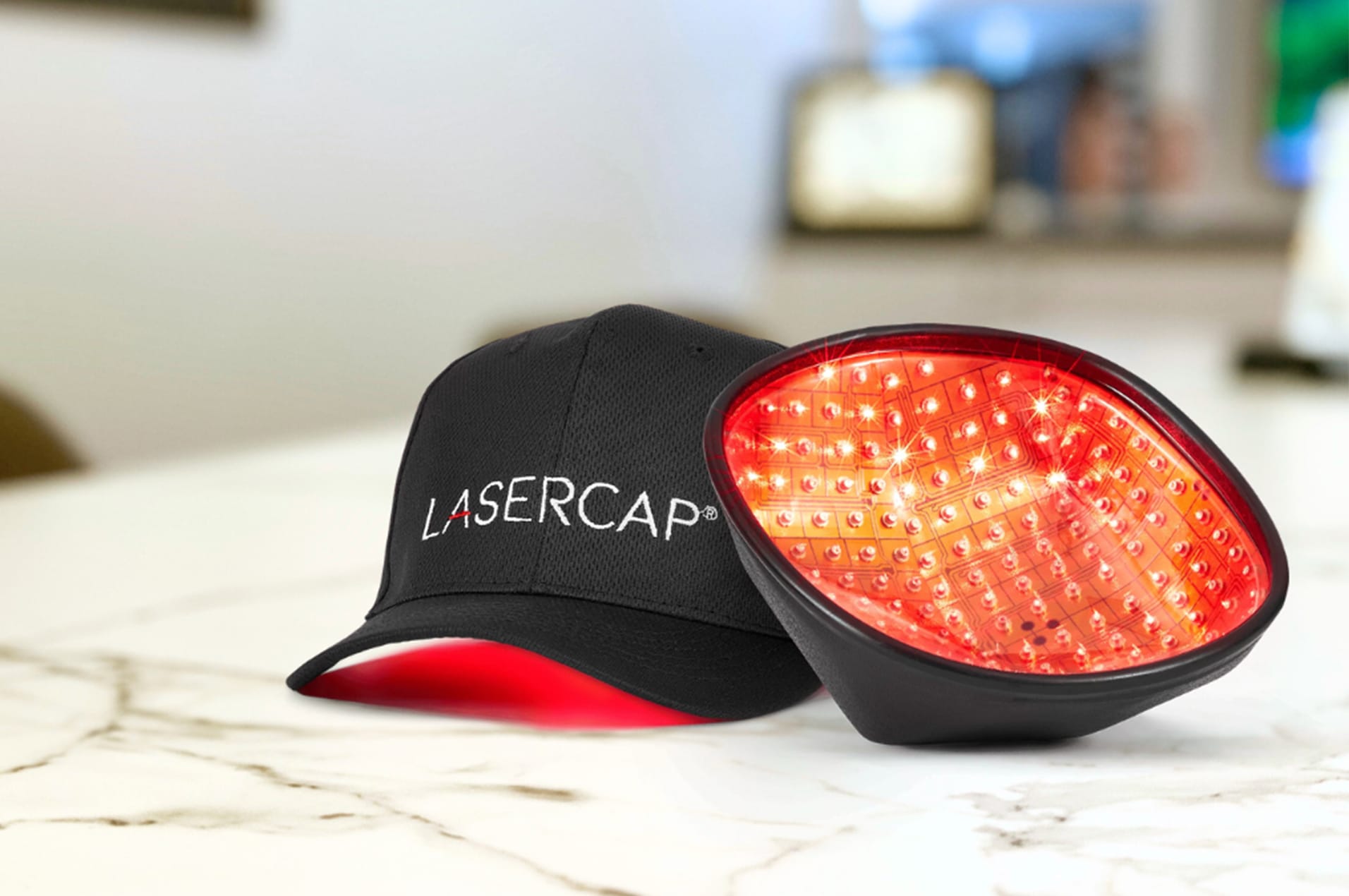
The LaserCap® is a portable, medical-grade hair loss treatment system that can be used conveniently at home. It offers the same powerful treatment that patients find in clinics but in a user-friendly home device.

Where It Helps

The LaserCap® is used to treat hair loss on the head. The LaserCap® has proven successful for both men and women.

Banner media
Man sitting in chair

What It Entails: LaserCap® Technology

The LaserCap® has been designed to be incredibly easy to use. It fits discreetly inside almost any hat, and it is completely hands-free. The LaserCap® is powered by a small battery pack that clips onto your belt. The device is designed to be worn while you’re participating in any of your regular activities–at home, while you are driving, during exercise, at the office, virtually anytime, anywhere.

Schedule A Consultation Today

Contact Us
Contact us media

What to Expect

To use the LaserCap®, simply insert it into any hat that you desire or the one provided to you. The LaserCap® fits into any hat large enough to hold it, such as a baseball cap, beanie, or summer hat. Alternatively, you may wear it without a hat. The LaserCap® comes with a battery pack that is fully rechargeable. Once charged, the battery pack easily connects to LaserCap®.

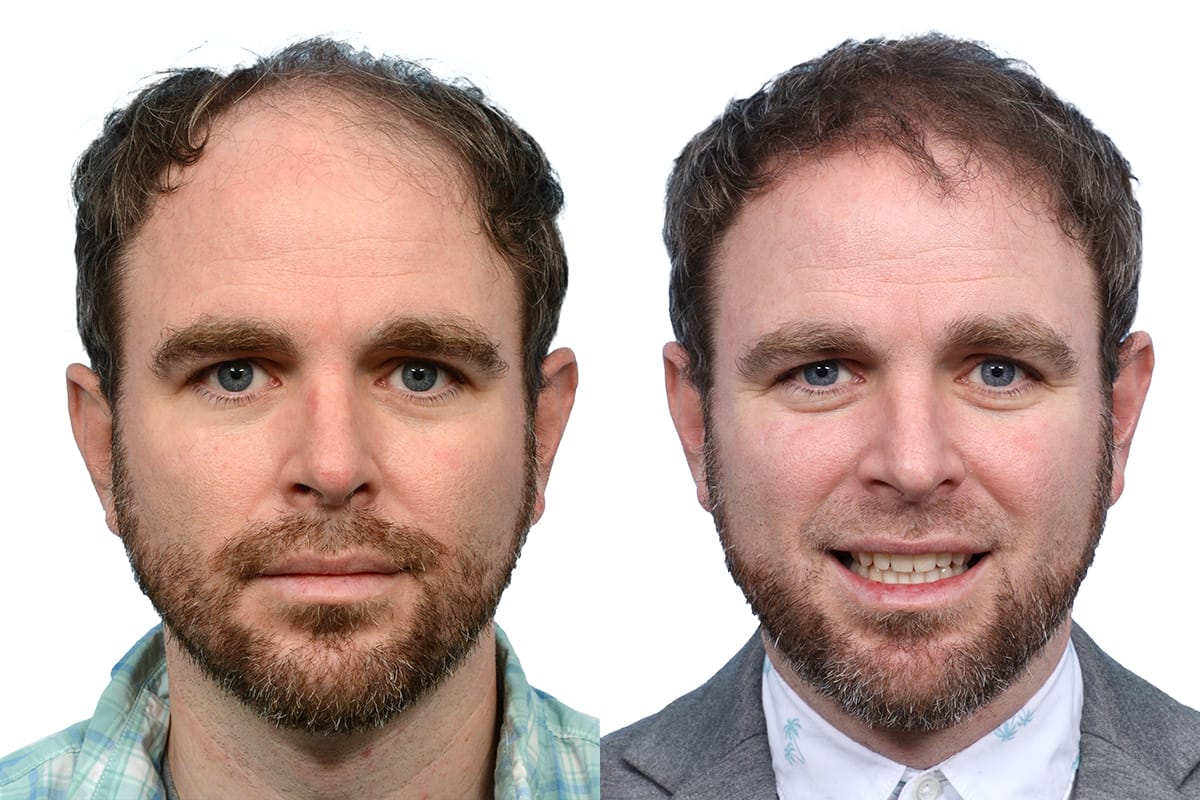
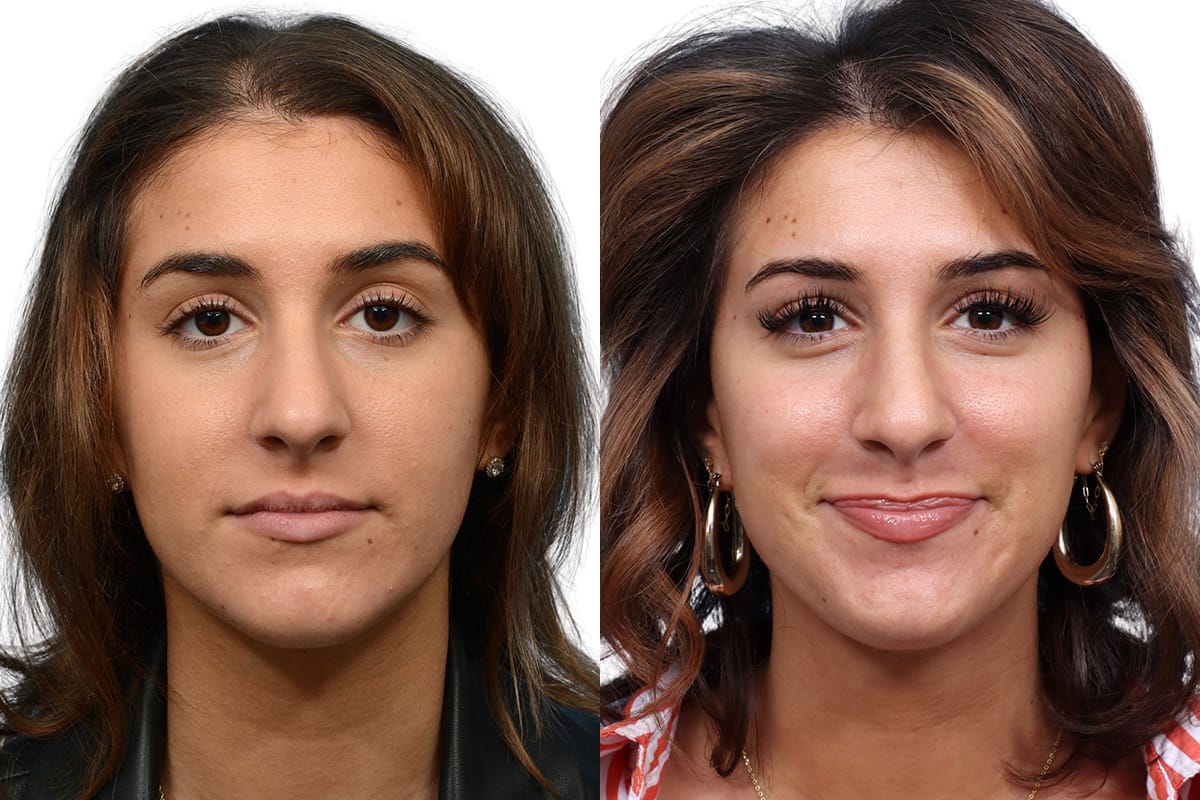
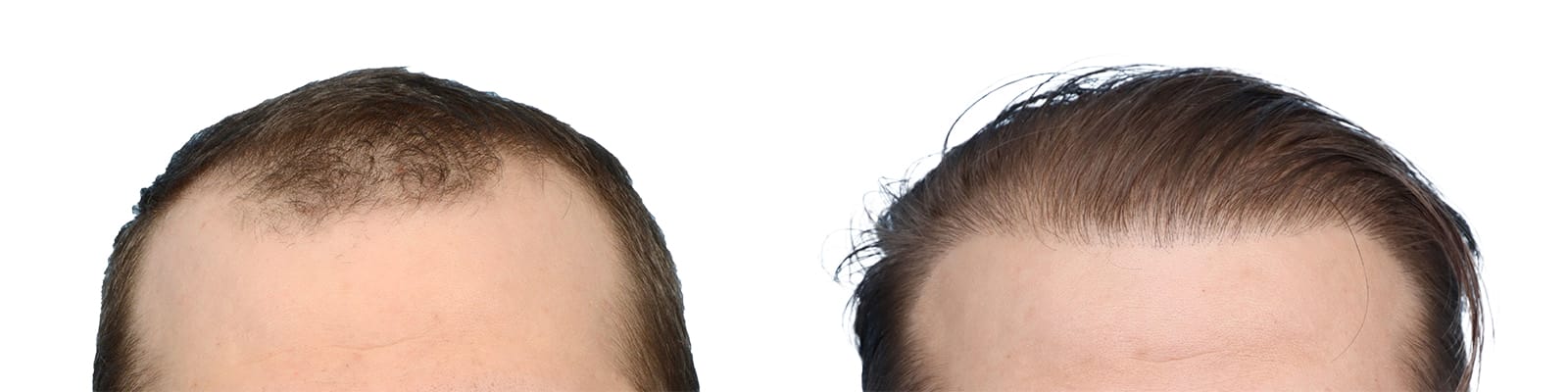
While results will vary, you may see improvement in the quality of your hair within the first weeks of use. You may see reduced shedding within 3 to 6 months of use.

You may see regrowth of hair within 6 months to 1 year of use. However, like most hair loss prevention products, once you stop using the LaserCap®, the improvements you have experienced may be lost.

We advise you to use it according to the instructions given to you by Dr. Wise. Typical use is every other day for 30 minutes. Following Dr. Wise’s recommendations regarding frequency will produce optimal results!

LaserCap® FAQs

What is a laser cap for hair loss?

How does laser cap therapy work?

Is the laser cap FDA-cleared?

How often should I use a laser cap?

How long does it take to see results from a laser cap?

Are there side effects from using a laser cap?

Who is a good candidate for laser cap therapy?

What is a laser cap for hair loss?

A laser cap is a wearable, low-level laser therapy (LLLT) device designed to treat hair loss and promote hair regrowth. It uses medical-grade laser diodes to deliver light energy to the scalp, which may help stimulate hair follicle activity.

How does laser cap therapy work?

The laser cap emits low-level laser light that penetrates the scalp and is absorbed by cells in the hair follicles. This process, known as photobiomodulation, is believed to increase cellular energy production and blood flow, which may promote healthier hair growth.

Is the laser cap FDA-cleared?

Yes, several laser cap devices have received FDA clearance for the treatment of androgenetic alopecia (hereditary hair loss) in both men and women. FDA clearance indicates that the device has been shown to be safe and effective for its intended use.

How often should I use a laser cap?

Usage recommendations typically call for sessions every other day, with each session lasting approximately 30 minutes. Consistent use as directed is generally considered important for achieving optimal results.

How long does it take to see results from a laser cap?

Most patients may begin to notice improvements in hair density and thickness within 3 to 6 months of regular use. However, results can vary depending on the individual and the extent of hair loss at the time treatment begins.

Are there side effects from using a laser cap?

Laser cap therapy is generally considered safe with minimal side effects. Some users may experience mild scalp warmth or tingling during use. There are no known serious adverse effects associated with low-level laser therapy for hair loss.

Who is a good candidate for laser cap therapy?

Laser cap therapy is generally most effective for individuals in the early to moderate stages of hair thinning. It may be used as a standalone treatment or in combination with other hair loss therapies. A consultation with a hair restoration specialist can help determine whether it is appropriate for your situation.

Hero media

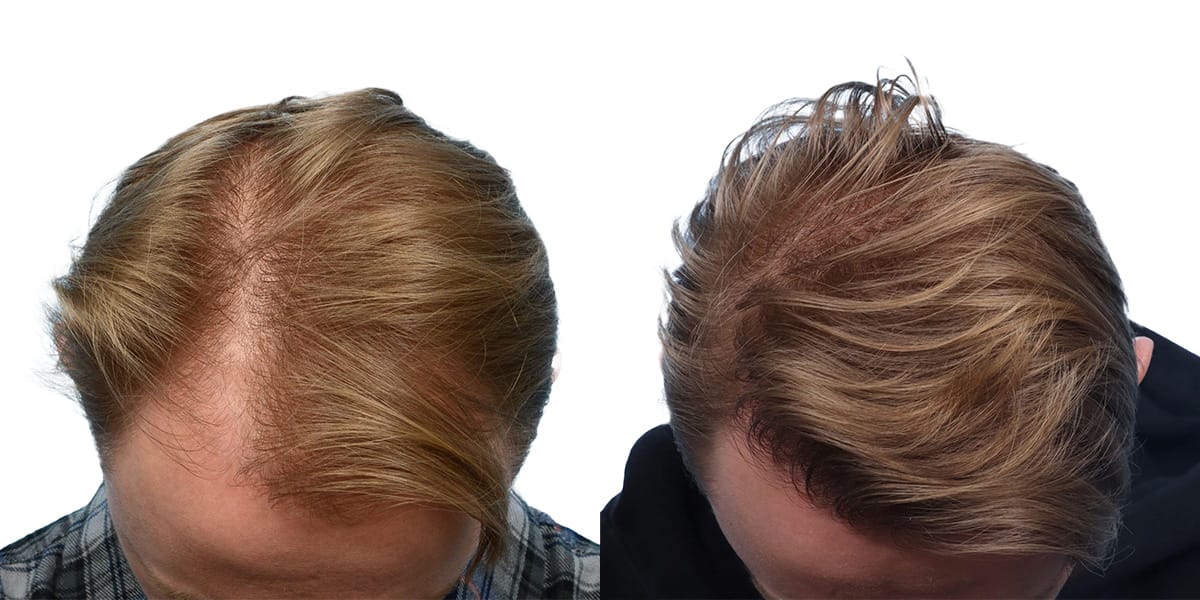
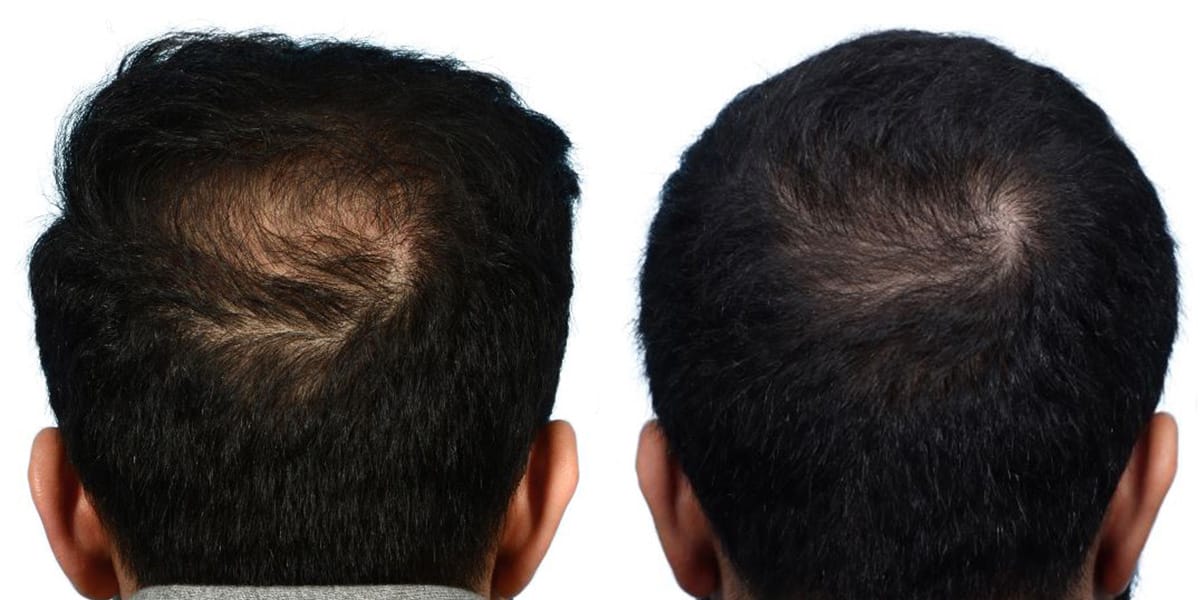
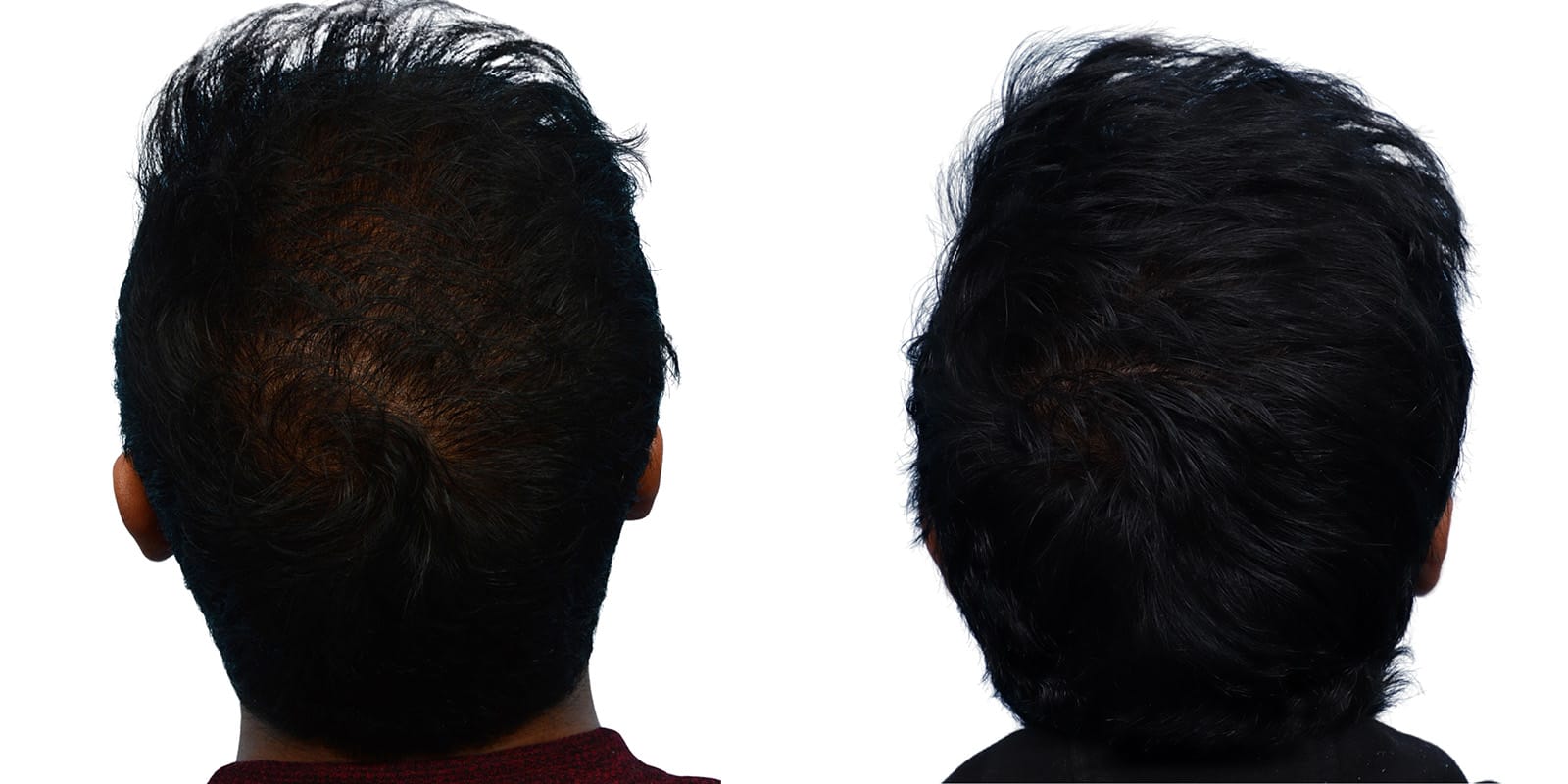
Hair RestorationBefore & Afters

Hair Restoration before and after
View More Hair Restoration Results