Enjoy the revolutionary, hair-restoring benefits of PRP therapy in New Jersey at the Wise Center for Plastic Surgery.
Platelet Rich Plasma (PRP) Therapy in New Jersey

Platelet Rich Plasma (PRP) Therapy
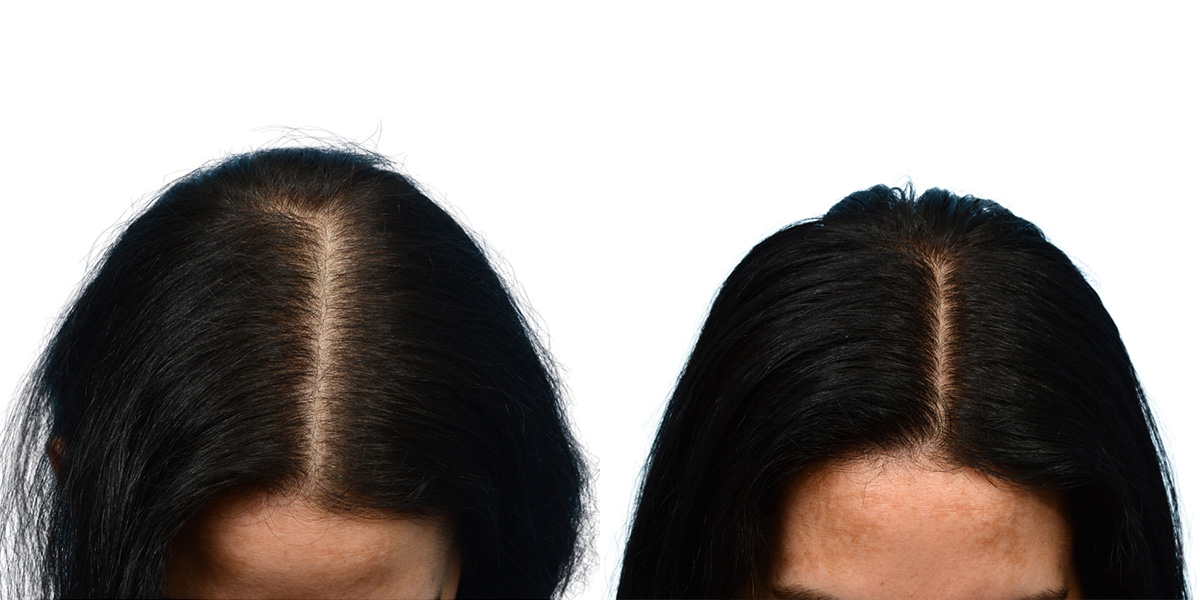

Wise Hair Restoration Quiz
Find the right hair
restoration for you
Answer a few guided questions about your hair loss and your goals, and we’ll point you toward the treatments that may fit you best.
- Quick & Easy3–5 Minutes
- PersonalizedTo Your Hair Goals
- Clear Next StepsTailored To You

Your complimentary guide
Services Guide
Download your exclusive Wise Center for Plastic Surgery services guide. Discover everything you need to know about our aesthetic treatments.
Get Your Free Guide25 pages · Surgical & non-surgical treatments
Schedule A Consultation Today
Contact Us
Benefits of PRP Hair Restoration
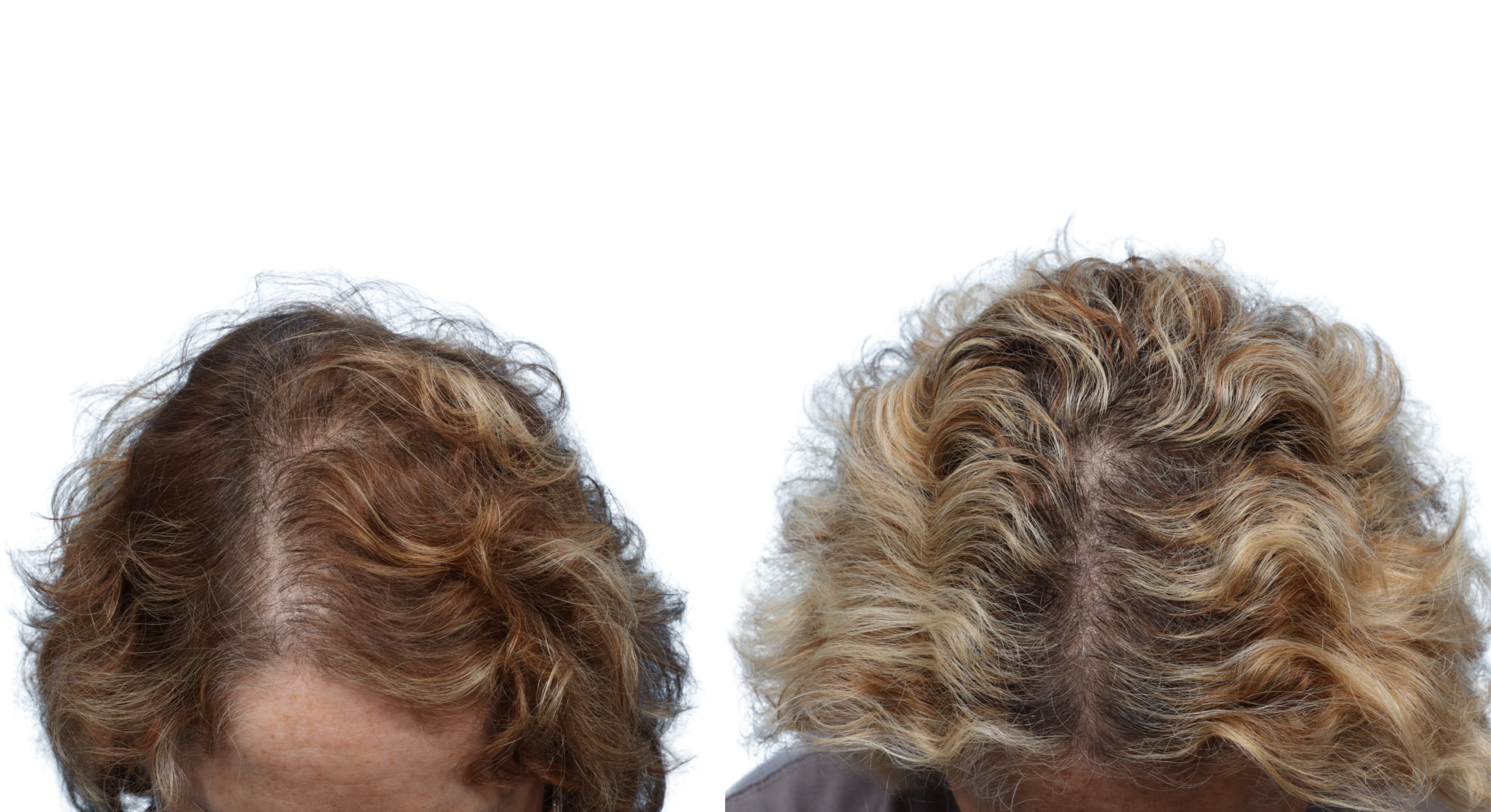
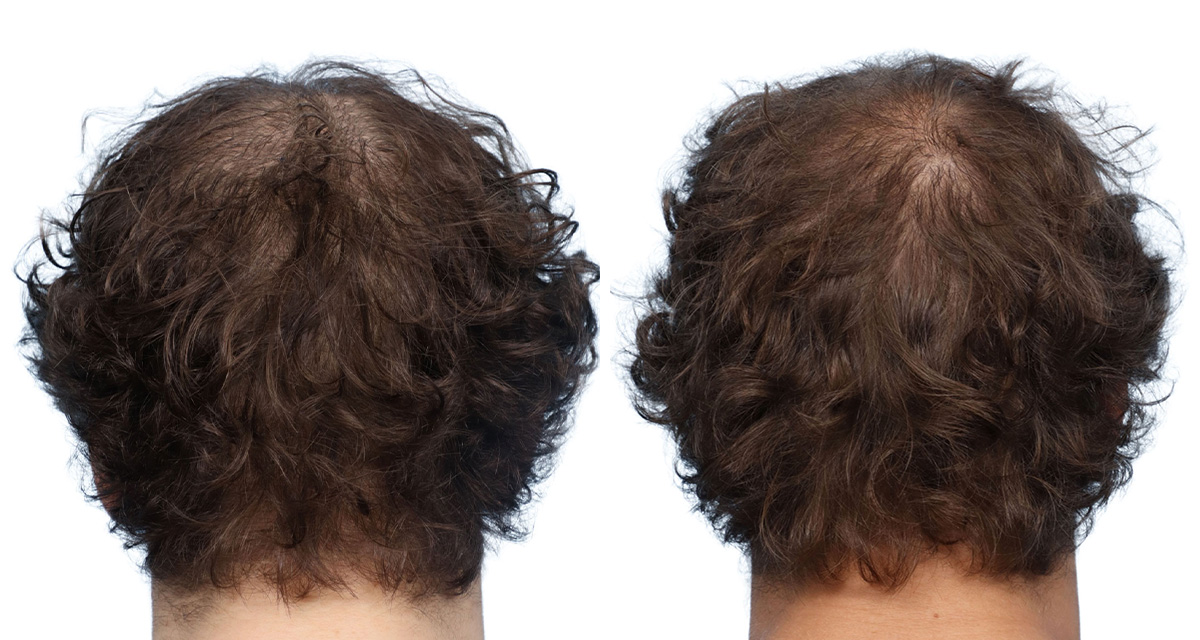
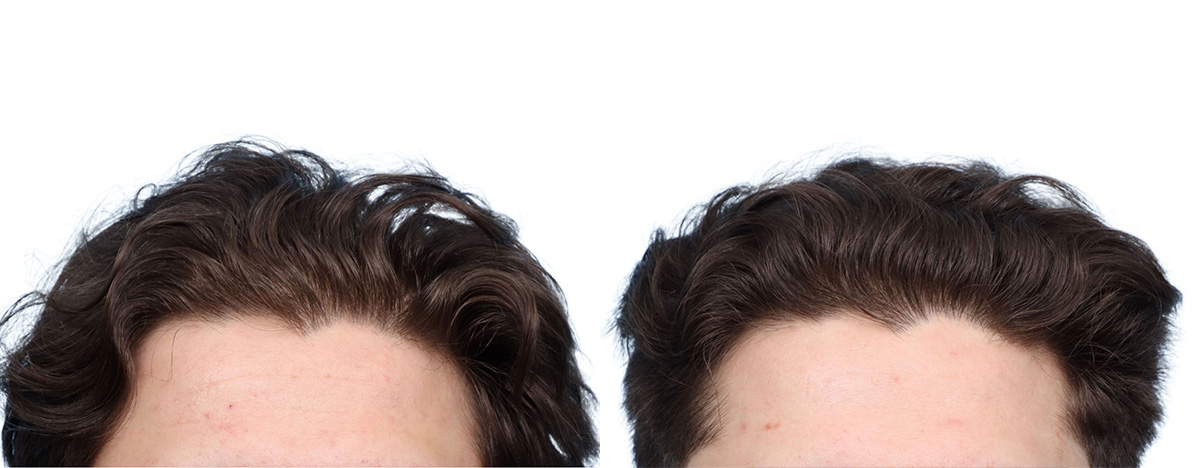
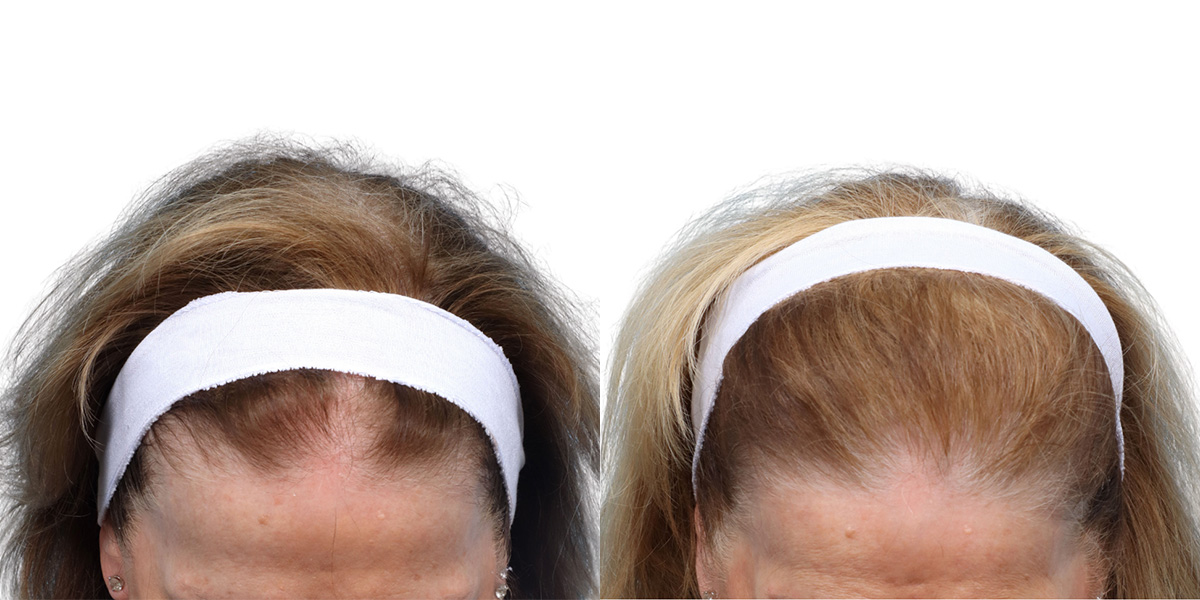
PRP in New Jersey is a revolutionary hair restoration treatment that can offer all of the following benefits:
- A thicker, fuller head of hair
- Long-lasting, natural-looking results
- No incisions, stitches, or scarring
- Little to no recovery time
- Increased self-confidence and self-image
- Effective treatment for thinning or receding hair
PRP Hair Therapy FAQs
What is PRP therapy for hair loss?
How does PRP stimulate hair growth?
Is PRP hair treatment painful?
How many PRP sessions are needed for hair restoration?
How long does it take to see results from PRP hair therapy?
Are PRP hair treatments safe?
Can PRP be combined with other hair restoration treatments?
What is PRP therapy for hair loss?
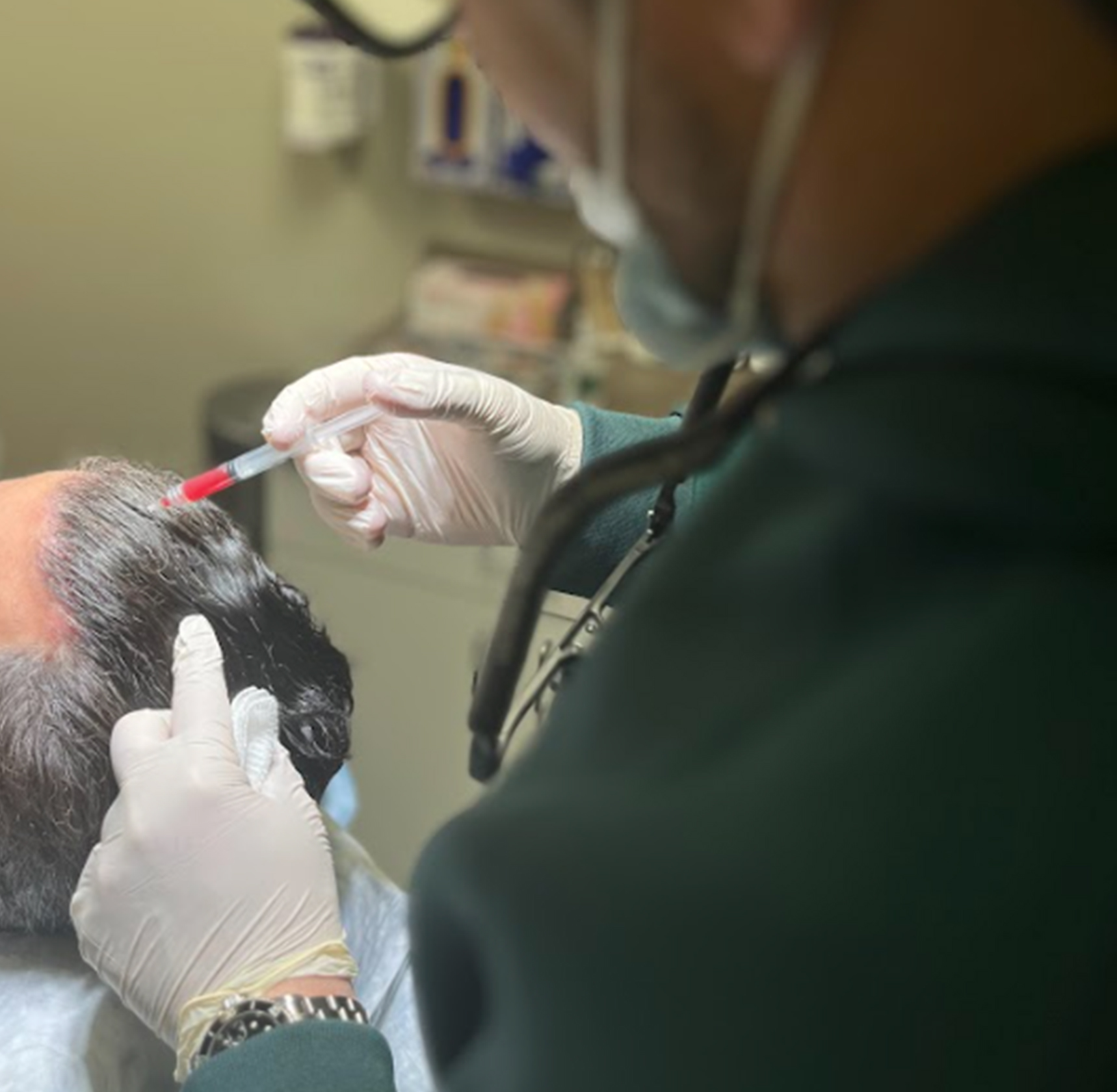
Platelet-rich plasma (PRP) therapy involves drawing a small amount of the patient's blood, processing it to concentrate the platelets, and injecting the resulting plasma into the scalp. The growth factors in PRP are believed to help stimulate dormant hair follicles and promote new hair growth.
How does PRP stimulate hair growth?
PRP contains concentrated growth factors and proteins that may promote cell regeneration and increase blood supply to hair follicles. This process is thought to prolong the active growth phase of the hair cycle and encourage thicker, healthier hair.
Is PRP hair treatment painful?
Most patients experience only mild discomfort during PRP injections. A topical numbing agent is typically applied to the scalp beforehand to minimize any pain during the procedure.
How many PRP sessions are needed for hair restoration?
An initial series of three to four treatments spaced about four to six weeks apart is commonly recommended. Maintenance sessions may be suggested every six to twelve months to help sustain results.
How long does it take to see results from PRP hair therapy?
Most patients begin to notice improvements in hair thickness and density within two to three months of starting treatment. Full results may take six to twelve months to become apparent, depending on individual response.
Are PRP hair treatments safe?
PRP is generally considered safe since it uses the patient's own blood, which minimizes the risk of allergic reactions or infections. Common side effects are typically mild and may include temporary soreness, swelling, or redness at the injection sites.
Can PRP be combined with other hair restoration treatments?
PRP is frequently used alongside other treatments such as hair transplants, topical medications like minoxidil, and low-level laser therapy. A multi-modal approach may yield more comprehensive results for many patients.
Why Choose Dr. Wise for PRP Hair Restoration Treatment?
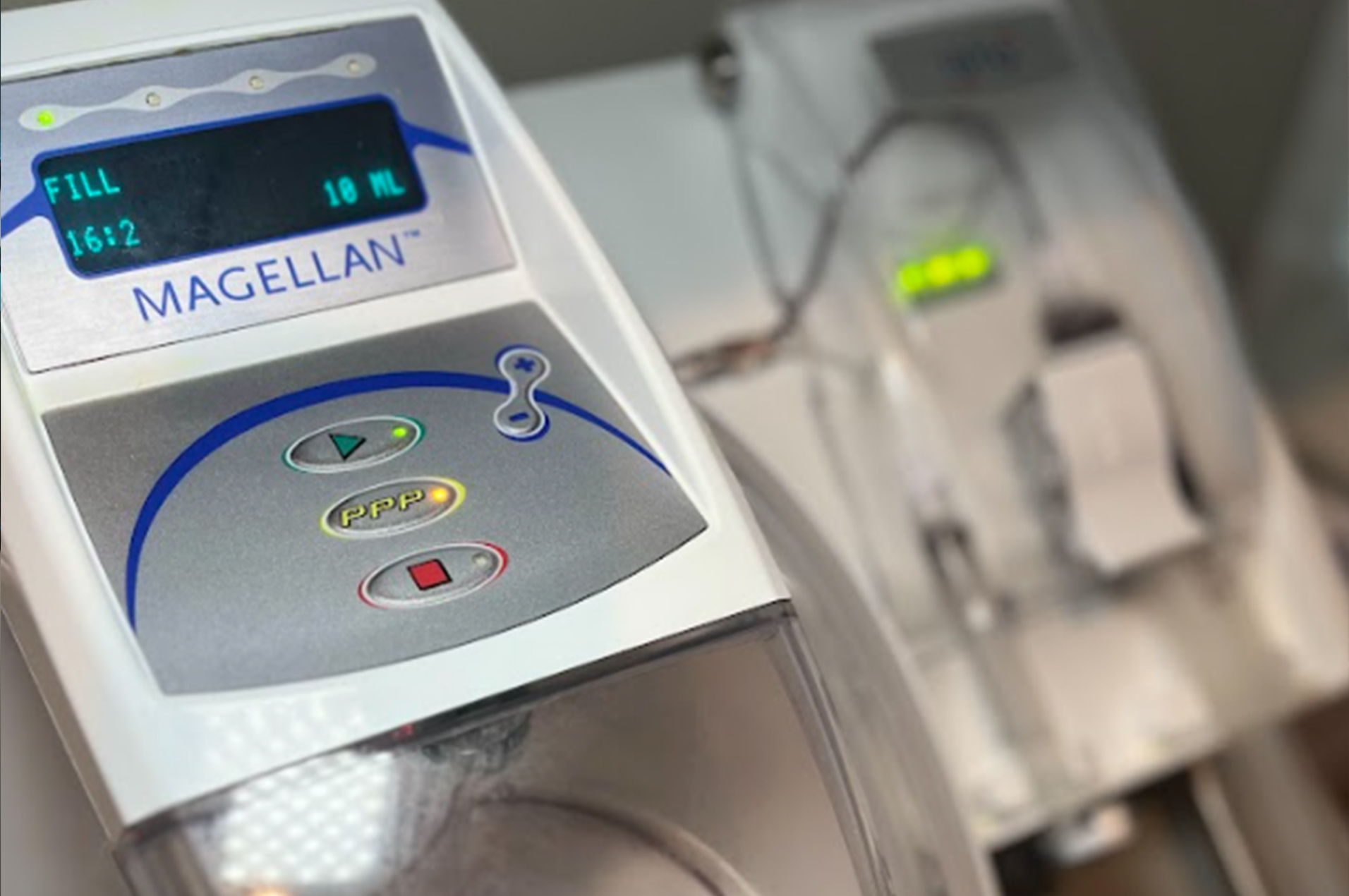
At the Wise Center for Plastic Surgery, we use hospital-grade PRP processing to deliver the highest purity platelet-rich plasma for optimal results. Not only can you be sure that the procedure is safe, you can be sure it will deliver optimal results. Our system also can customize the concentration of platelets in the plasma, making this treatment highly individualized. We will work with you to develop a treatment plan that best fits your needs. You may choose to utilize PRP along with other hair loss prevention methods to achieve your desired result. For best results, Dr. Wise typically recommends a multi-modal approach to hair loss, which includes light therapy, topical medications, vitamin supplementation, and oral medications, if applicable.

Who is a Good Candidate for PRP Therapy?
If you’re losing your hair or have a family history of hair loss, you could be a good candidate for PRP hair restoration therapy. The treatment can be an excellent option for individuals dealing with bald spots, thinning hair, or a receding hairline. Whether your hair loss results from stress, hormone imbalances, extreme weight loss, a poor diet, or genetics, this natural hair restoration treatment could work wonders for you.
To be an ideal candidate for platelet-rich plasma therapy, you must be in generally good physical health and have realistic expectations for the treatment.